
Structure.
Awareness.
Flow.
Agency.
Neither rigidity nor chaos.
Maintain the living line.
An embodied practice for maintaining awareness, adaptability, capability, and agency under pressure.
A line runs through everything.
The Living Line studies the relationship between freedom and constraint. Between structure and movement. Between what holds and what gives way.
It draws on martial movement, awareness, physical capability, resilience, partner practice, and philosophy. Not as separate products, but as expressions of one principle.
A line appears in the body, between two people, in the trajectory of a strike, in the path of a flexible weapon, in the rope, in the route through an environment.
The line is not fixed. It responds. It bends without becoming formless. It maintains structure without becoming rigid.

The Vertical Axis
Structure rooted in stillness
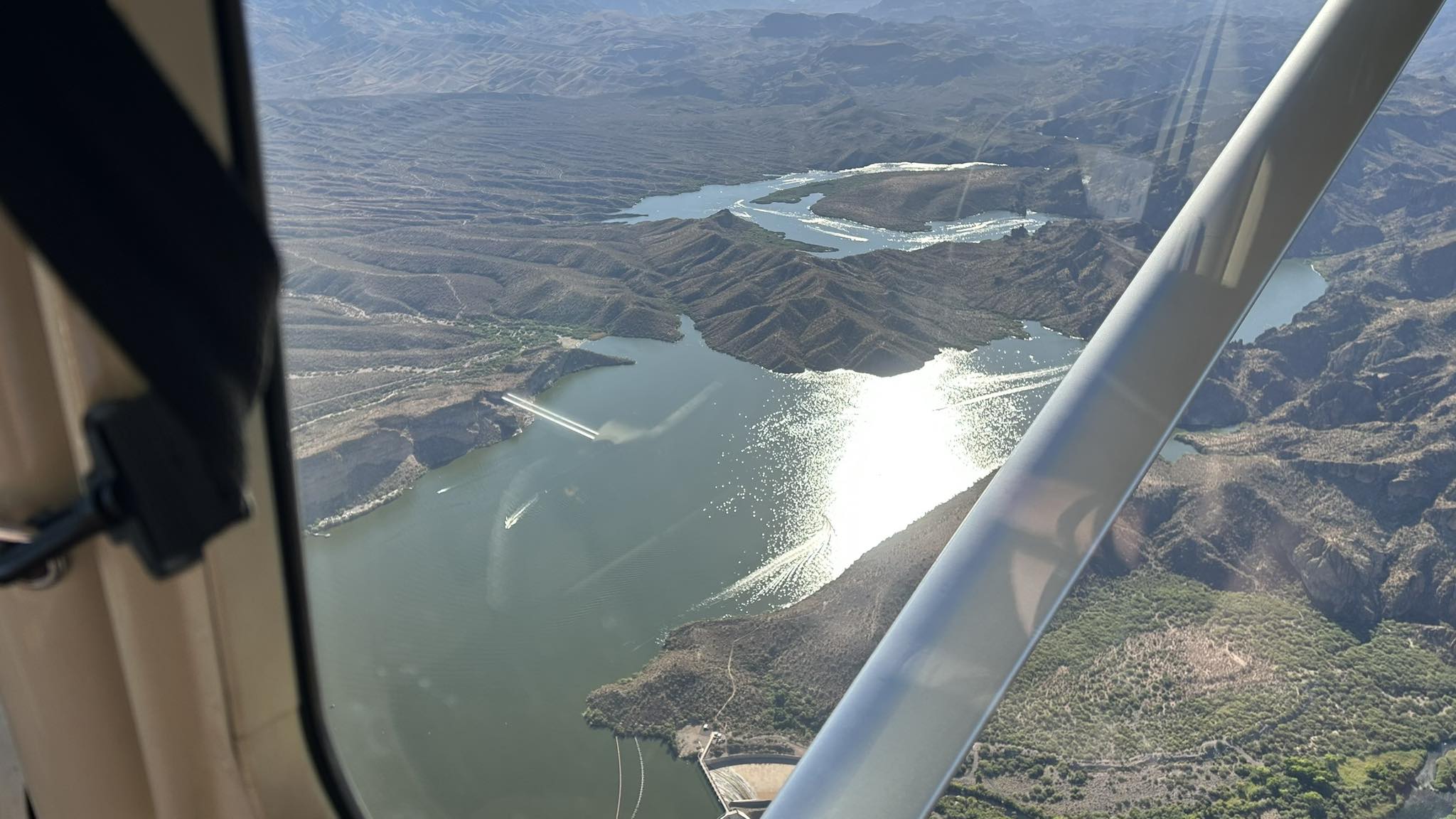
The Adaptive Route
The route through an environment
Four lines that hold the practice together.
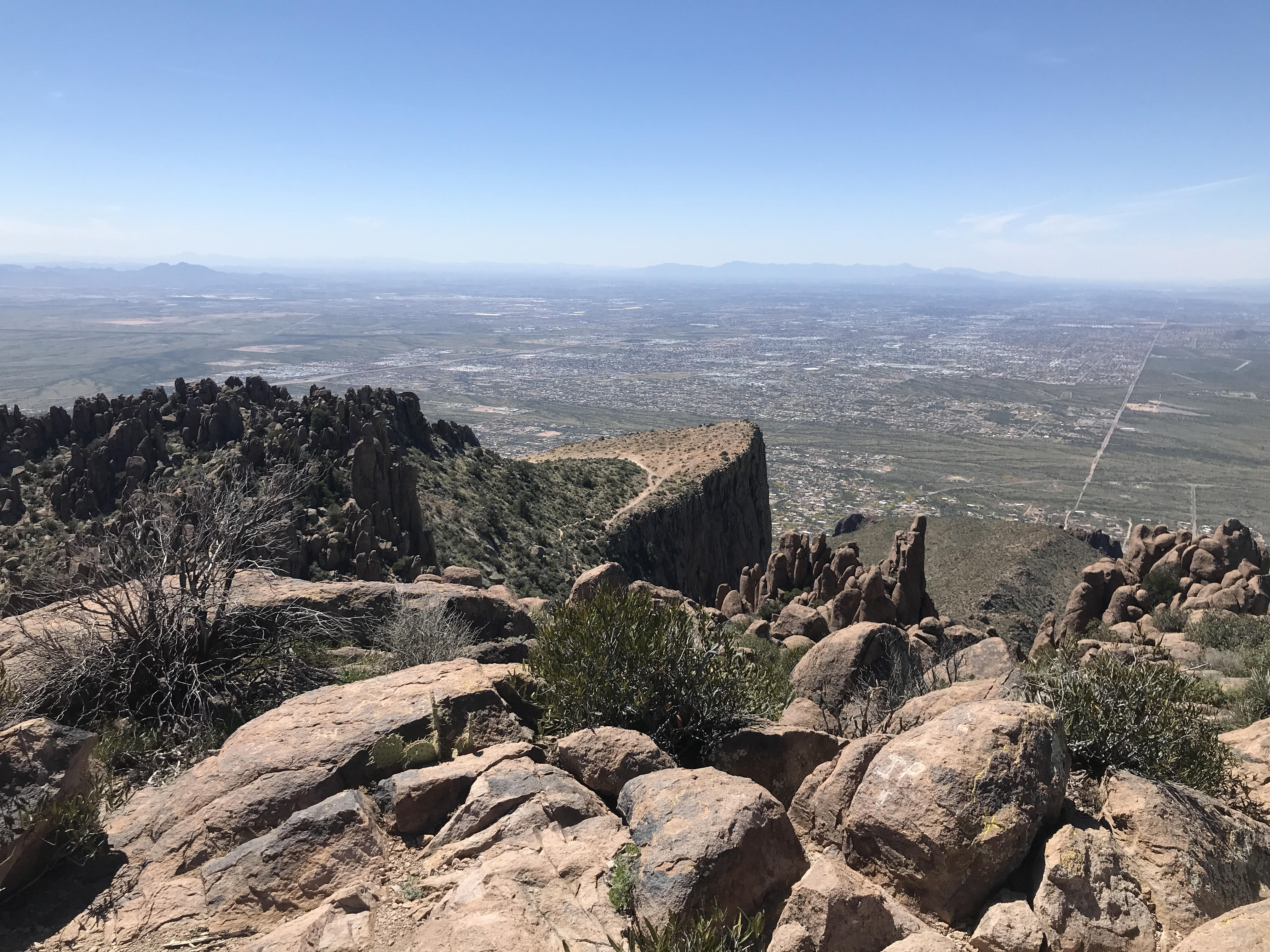
Structure
A foundation strong enough to act from.
Without structure, action collapses. With too much, it becomes rigid. Structure is the ground you stand on when pressure arrives.
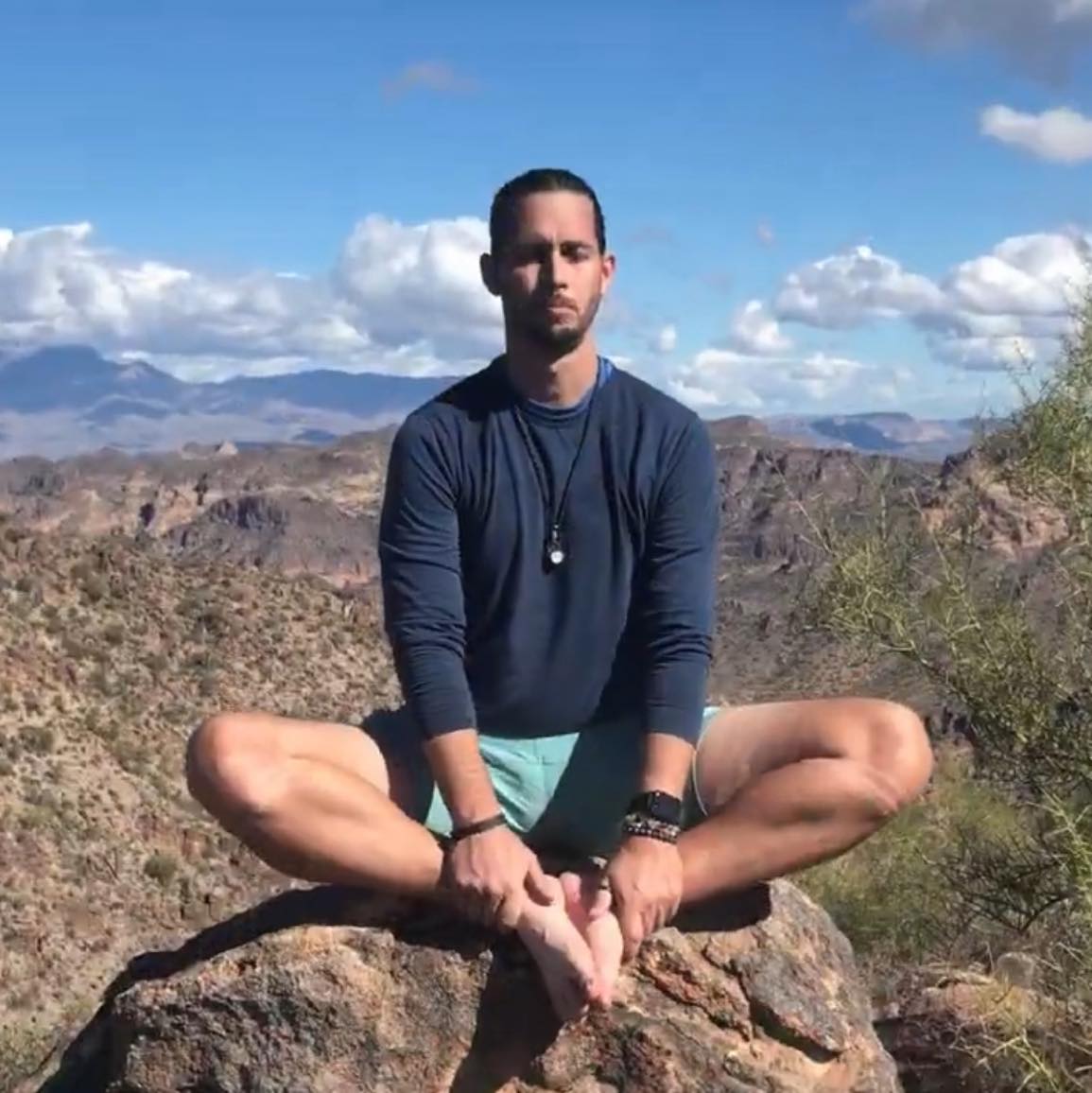
Awareness
Seeing what is actually happening before reacting to it.
Most reaction is delayed perception. Awareness shortens the distance between what occurs and what you choose to do about it.
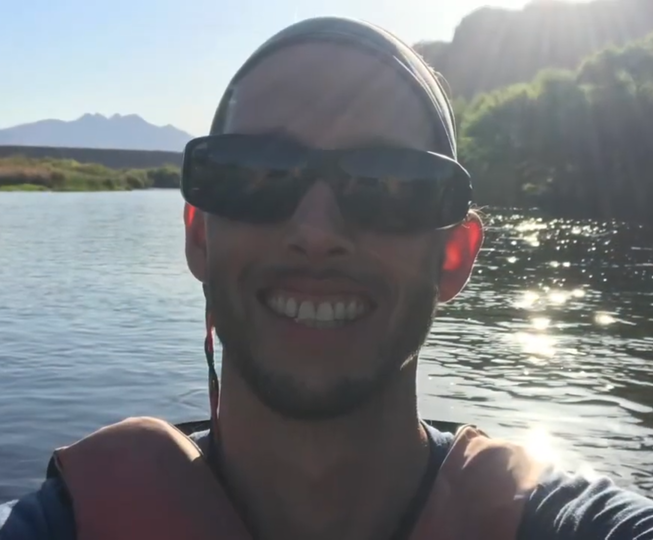
Flow
Adapting intelligently as conditions change.
Conditions always change. Flow is not formlessness. It is structure that knows how to move.
Agency
Retaining the ability to choose and act deliberately.
Under enough pressure, choice narrows. The practice is keeping it open longer than the situation expects.
One principle, many domains.
These are not separate products. They are surfaces where the same principle appears. The practice moves across all of them.
Movement
The body as the first instrument.
Martial Practice
Capability governed by restraint.
Flexible Weapons
Geometry that answers back.
Awareness
Perception before reaction.
Endurance
Pacing as a form of intelligence.
Constraint
Chosen limits that create skill.
Partner Practice
Trust, timing, communication.
Preparedness
Optionality before need.
Decision-Making
Clarity under pressure.
Integration
Many lines, one pattern.
The Primary Tools
Tools in the Living Line Method are not symbols of intimidation. They are physical instruments that demand precision, give immediate feedback, and teach constraint, adaptation, and restraint.
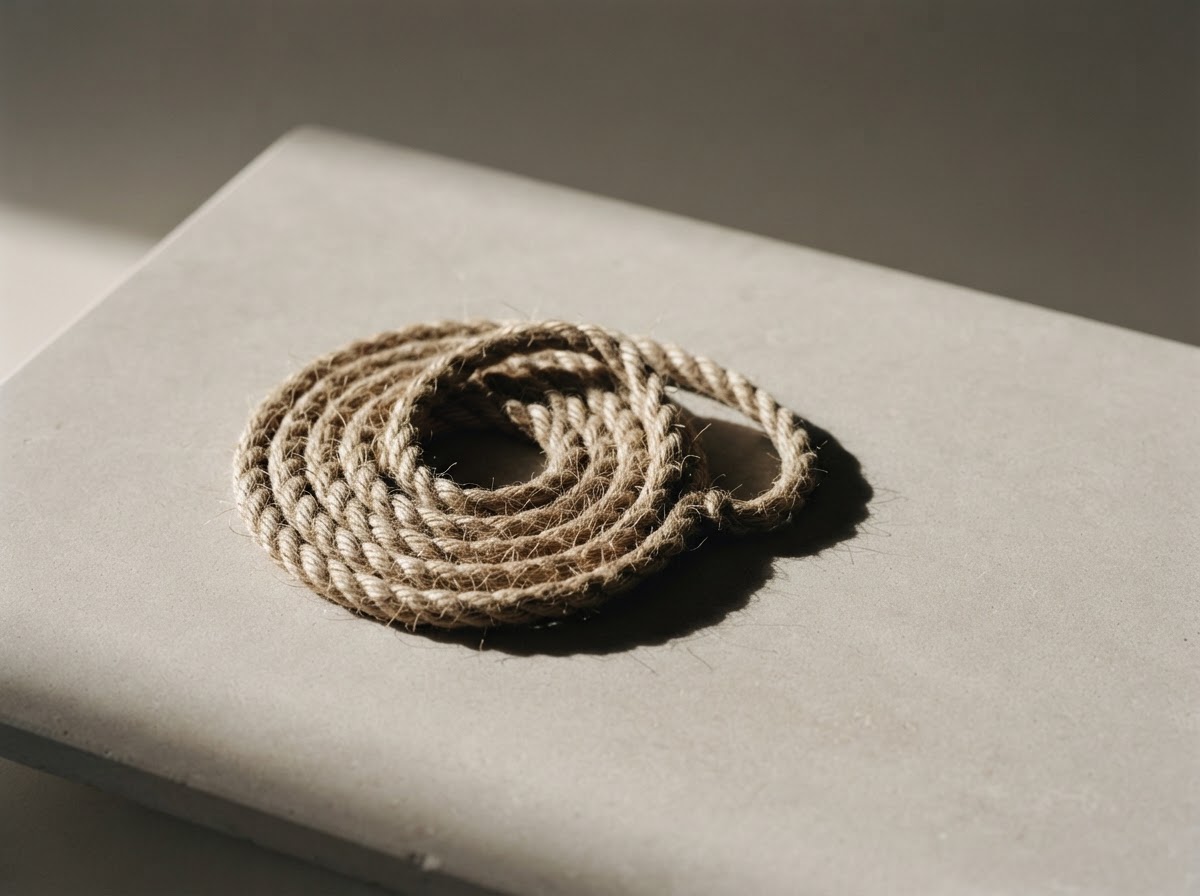
Rope
Natural fiber & static line
Voluntary constraint, structure, tension, trust, and release
Rope provides an embodied study of voluntary constraint. It demands heightened communication, consent, attention, and precise body awareness. It asks how much structure creates freedom.
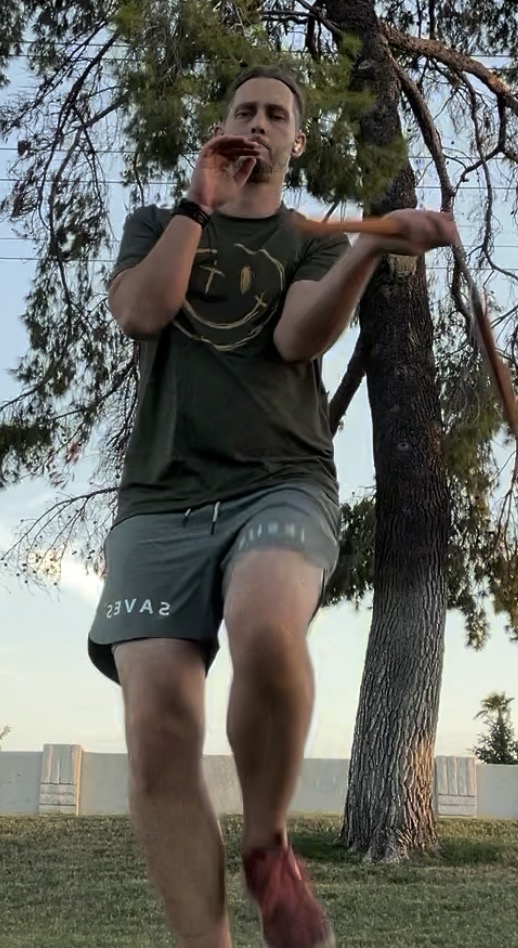
Nunchaku
Oak with chain link
Fluid geometry, kinetic feedback, spatial perimeter
A flexible weapon has no rigid hinge. It answers back immediately to changes in vector, speed, and balance. It demands continuous awareness and soft control over hard momentum.
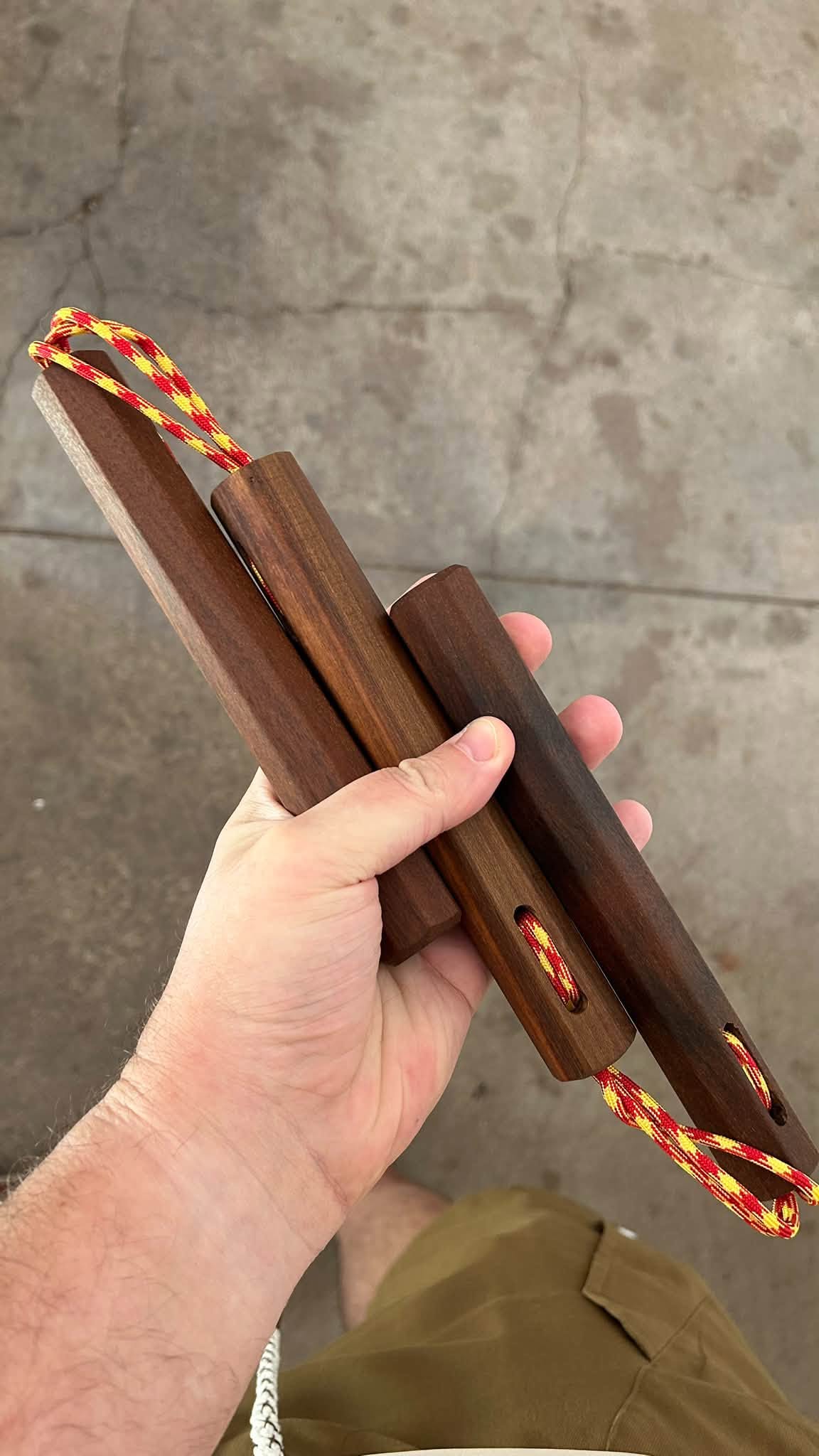
San Setsu Kon
Cherry with pink & yellow Marine Corps paracord
Multi-jointed adaptation, variable reach, momentum transfer
The three-section staff challenges linear predictability. Strung with custom Marine Corps paracord, it bridges short, medium, and extended ranges, teaching non-linear adaptation under motion.
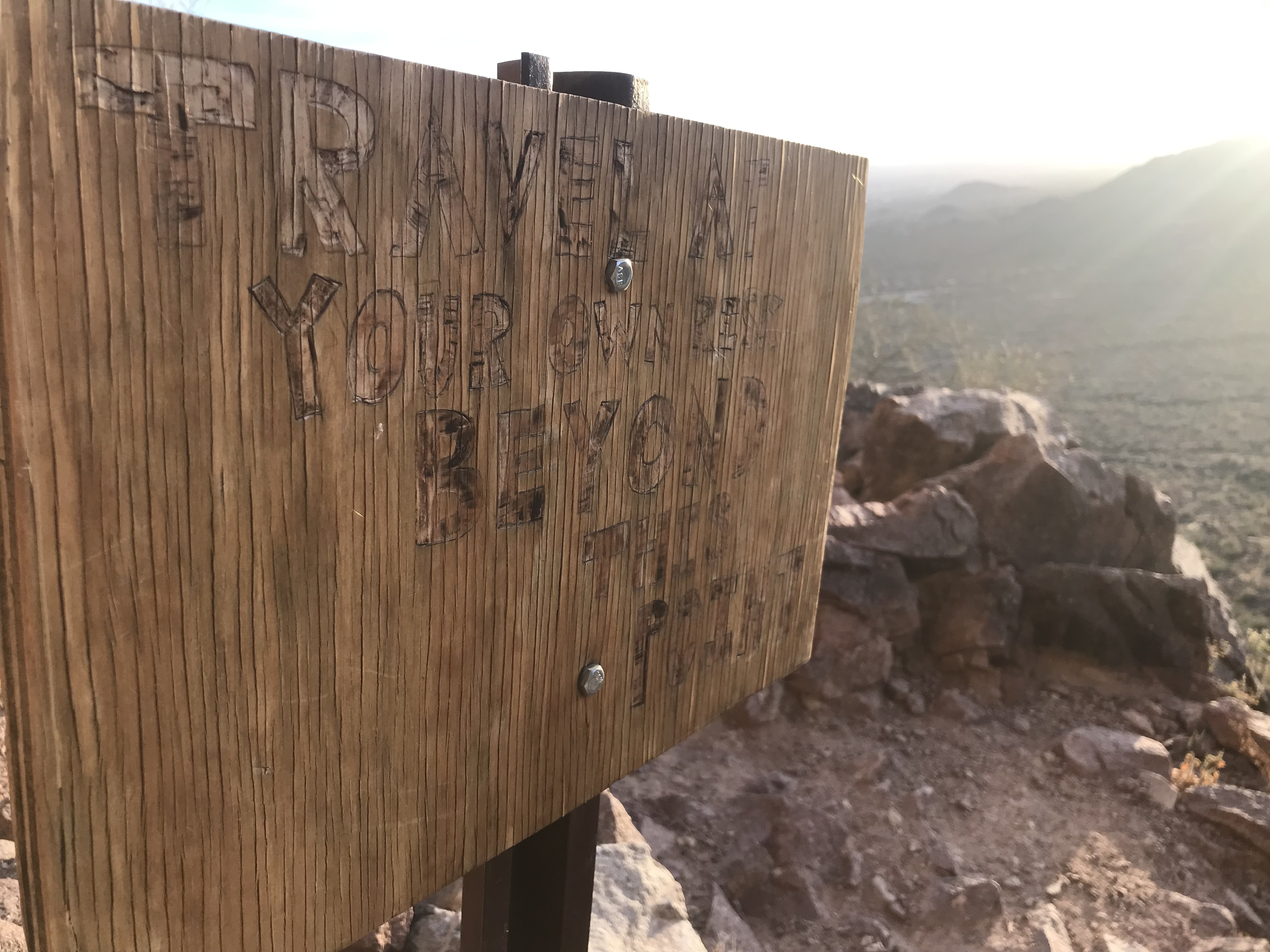
Tactical Gloves
Desert camo protective handwear
Grip integrity, tactile protection, environmental interface
The primary interface between the practitioner and abrasive desert terrain, hot stone, and high-friction tools. Capability starts with protecting the instruments of action.
Unlimited movement is not necessarily freedom.
A body with no constraints has no shape. A practice with no limits has no depth. Chosen constraint is not the opposite of freedom. It is often what makes freedom possible.
Discipline creates skill. Trust requires a boundary. Tension held with attention becomes structure. The question is not whether to be constrained, but how to choose the constraints that create capability.
How much structure creates freedom?
Quiet capability.
The practice is not built around demonstration. It is built around being ready. The difference matters.
- Prepared without paranoia.
- Strong without needing to demonstrate strength.
- Aware without living in fear.
- Capable of force without seeking confrontation.
- Flexible without becoming directionless.
Across a life, and across relationships.
Individual
Solo practice, conditioning, and study. The foundation you carry alone.
Partner
Two people practicing together. Trust, timing, communication, and shared constraint.
Family
Age-appropriate principles of awareness, movement, discipline, and agency passed forward.
Living Line is intended to function across stages of life. Physical development, philosophical study, and lifelong refinement are not separate phases. They are the same practice seen at different depths.
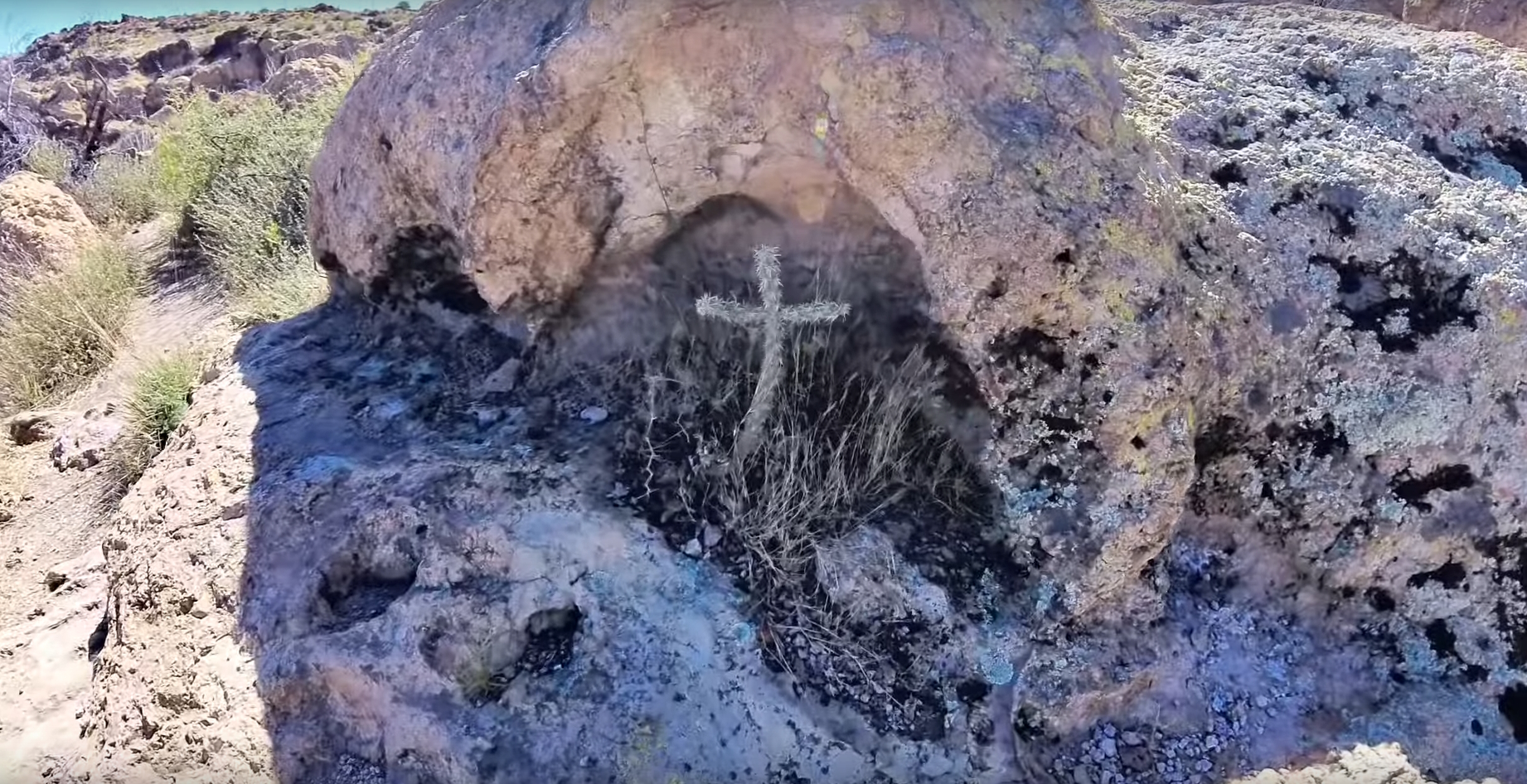
Founder, developing practitioner, lifelong student.
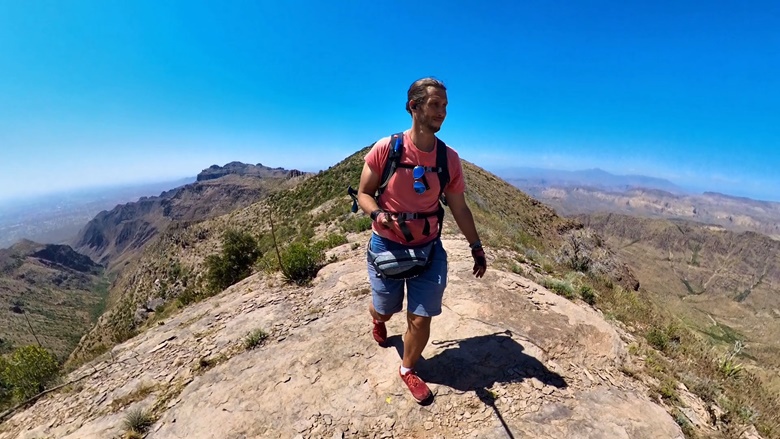
Christopher is the founder and developing practitioner of the Living Line Method. A systems thinker, creator, teacher, endurance athlete, hiker, desert practitioner, martial arts practitioner, entrepreneur, and lifelong student.
Living Line emerged from his attempt to understand a recurring principle across seemingly unrelated domains.
How does a human being remain free, capable, aware, and responsive while operating inside constraint?
Authentic practice, direct feedback.
The method is not theory. It is tested in desert stillness, endurance races, flexible weapons, autonomic regulation, and deliberate voluntary constraints.
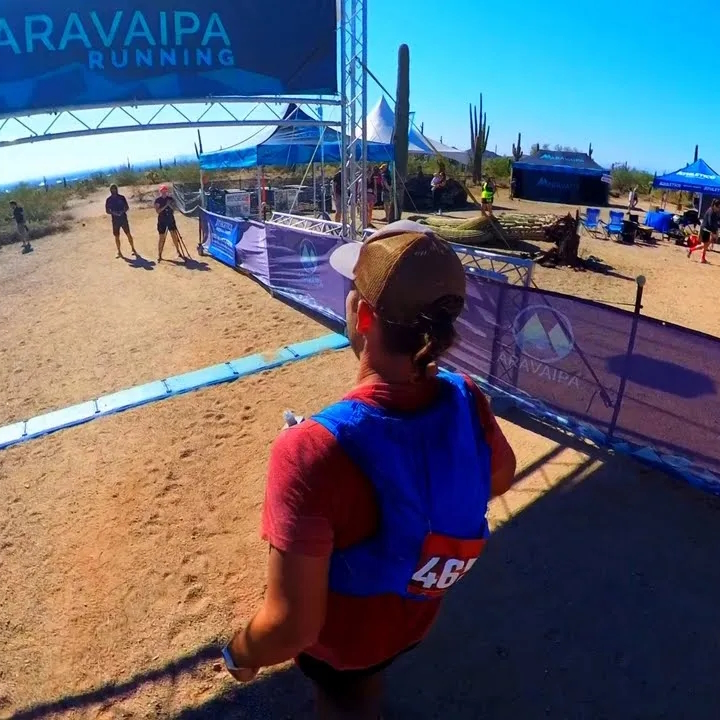
Endurance & desert navigation
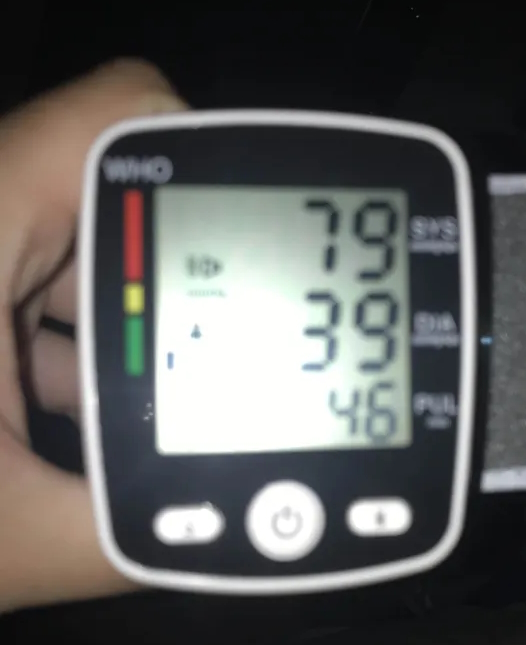
Autonomic regulation & physiological recovery
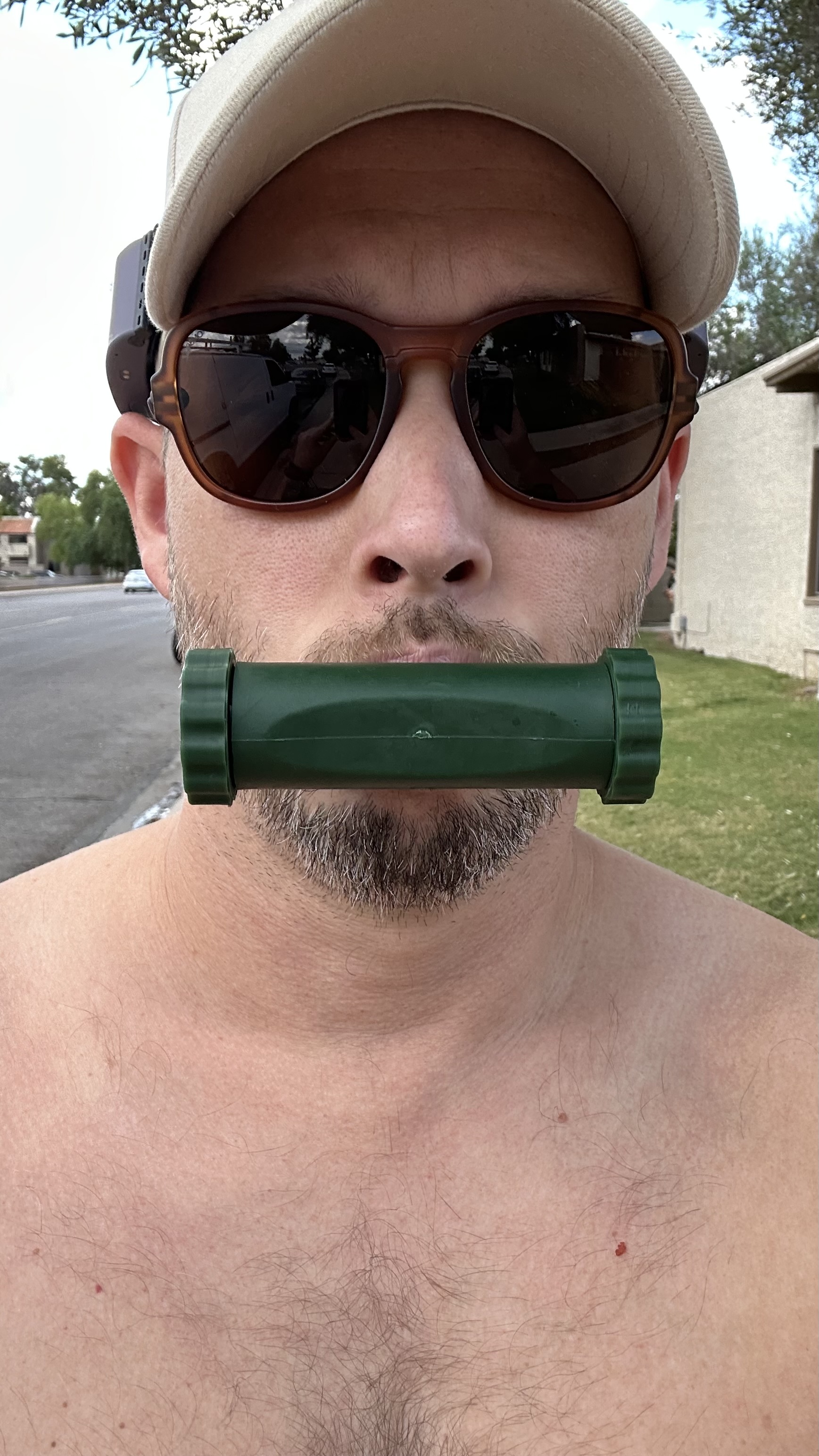
Voluntary constraint & respiratory discipline
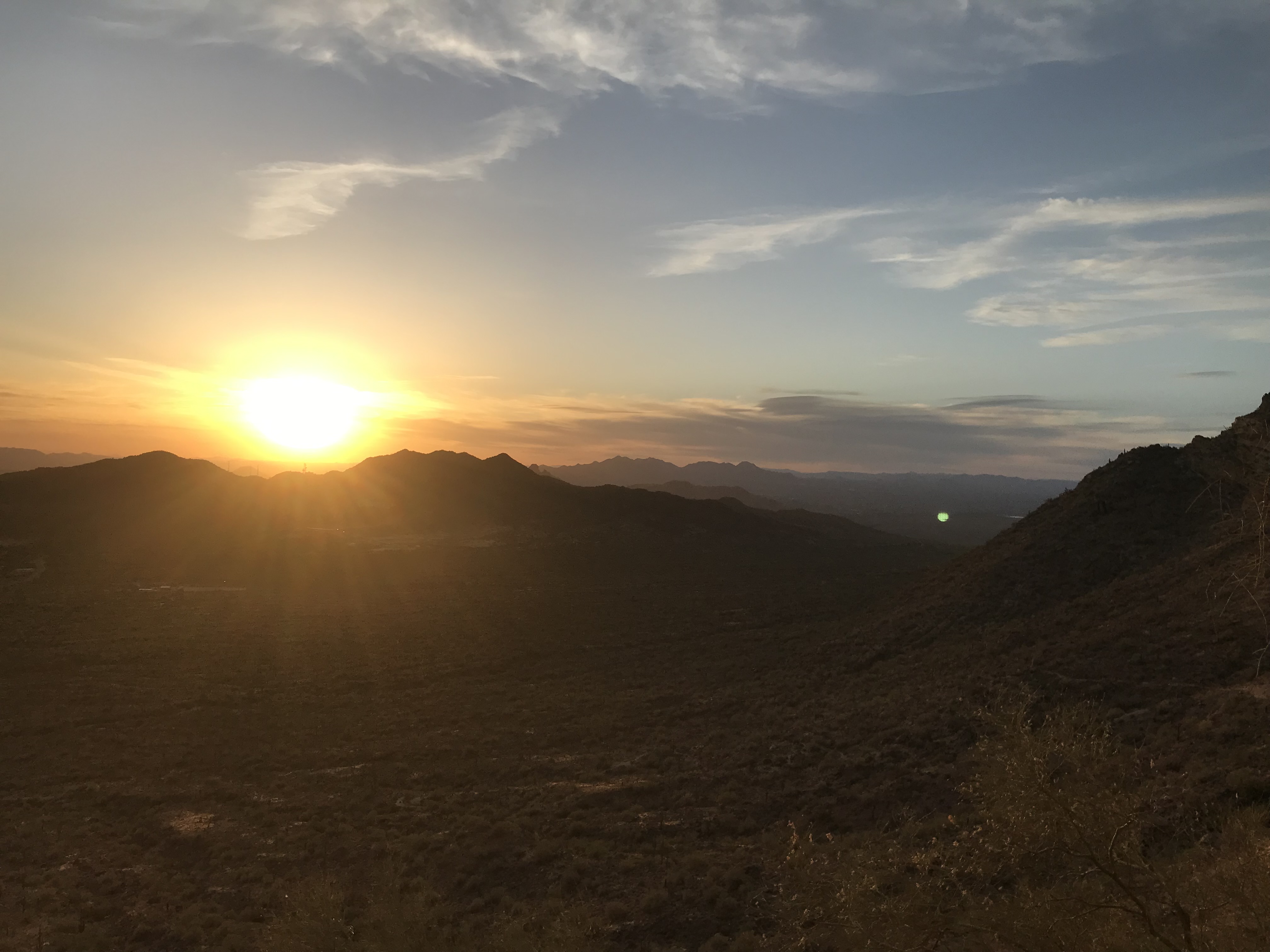
Awakening & new horizons

Urban & wilderness awareness

Expansive awareness & dawn light
What the practice is, and is not.
Direct answers to the questions people most often ask about the Living Line Method.
What is the Living Line Method?
The Living Line Method is an integrated system of embodied practice founded by Christopher Hanson. It studies how a human being maintains awareness, adaptability, capability, and agency while moving through constraint, uncertainty, pressure, relationship, and changing environments. It is expressed through physical movement, martial practice, flexible weapons, situational awareness, endurance, voluntary constraint, partner work, breath, mobility, resilience, decision-making, and philosophical study. Its central principle is: neither rigidity nor chaos, maintain the living line.
What are the four principles of the Living Line Method?
The four principles are Structure, Awareness, Flow, and Agency. Structure is a foundation strong enough to act from. Awareness is seeing what is actually happening before reacting to it. Flow is adapting intelligently as conditions change. Agency is retaining the ability to choose and act deliberately, even under pressure.
Is the Living Line Method a martial art?
No. Living Line is not another conventional martial art. It is an evolving embodied method that synthesizes principles Christopher Hanson has studied, practiced, tested, and integrated across different domains of his life. It draws on martial practice, flexible weapons, endurance, wilderness and urban awareness, preparedness, voluntary constraint, partner work, decision-making under pressure, systems thinking, and philosophy. It does not claim ownership over the traditions it learns from and does not replace established martial arts instruction.
What tools does the Living Line Method use?
The primary tools are rope, nunchaku, the san setsu kon (three-section staff), and tactical gloves. Rope is studied through voluntary constraint as an embodied inquiry into trust, communication, tension, structure, attention, and release. Nunchaku and the san setsu kon teach fluid geometry, momentum control, and adaptation. Tactical gloves protect the hands during desert movement and high-repetition tool work.
Who is Christopher Hanson?
Christopher Hanson is the founder and developing practitioner of the Living Line Method. He is a systems thinker, creator, teacher, endurance athlete, hiker, desert practitioner, martial arts practitioner, entrepreneur, and lifelong student. He does not claim military service, ranks, lineage, or certifications, and presents himself as a serious practitioner and synthesizer rather than a master or guru.
How do I join the Living Line Method?
The method is currently in a pre-launch founding phase. You can join the founding waitlist to reserve early status and lock in the $97 per month founding rate before public enrollment opens. A private consultation and mentorship inquiry flow is also available for those seeking direct work beyond the membership.
Christopher Hanson
Neither rigidity nor chaos.
Maintain the living line.
Structure • Awareness • Flow • Agency